The Plum Stones GameAlison Kimbley and Harley Weston
|
Subject Area: |
Mathematics |
||||
Strand: |
Statistics and Probability |
||||
Grade Level: |
Six |
||||
Content (topic) |
Demonstrating Probability |
||||
WNCP: |
|
Lesson Preparation |
Equipment/materials:
Advanced Preparation:
Advanced Preparation:
|
Presentation
|
If your students have played the plum stones game before you can proceed to the modified play section.
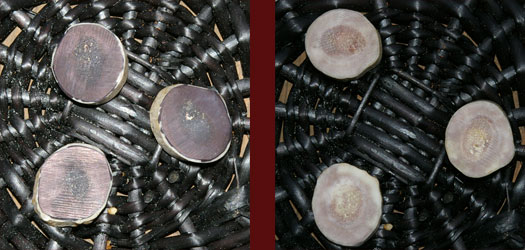
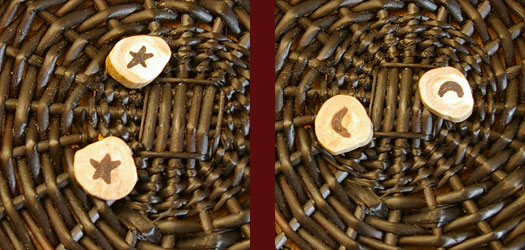
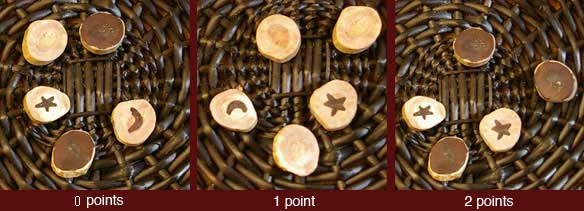
Scoring:
|
|
Questions/Discussion:Have the students describe each item in the sample space in words. Assume that on each toss of one of the game pieces, each side is equally likely to appear. Using the fact that \[\large \mbox{Theoretical probability} = \frac{\mbox{Number of favorable outcomes}}{\mbox{Total number of outcomes }}\] calculate the theoretical probability that a play of the game results in a zero score. Compare the results to the experimental probabilities calculated above. Why is there more than one experimental probability and only one theoretical probability? |
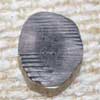
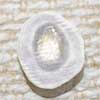
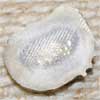
Example: |
Example Score Sheet
|
Score Sheet: |
Score Sheet
|
Round |
Name |
Name |
Name |
Name |
|---|---|---|---|---|
| |
||||
1 |
1 |
|||
2 |
0 |
|||
3 |
1 |
|||
4 |
2 |
|||
5 |
0 |
|||
6 |
0 |
|||
7 |
0 |
|||
8 |
1 |
|||
9 |
1 |
|||
10 |
0 |
|||
11 |
0 |
|||
12 |
0 |
|||
13 |
1 |
|||
14 |
||||
15 |
||||
16 |
||||
17 |
||||
18 |
||||
19 |
||||
20 |
Round |
Name |
Name |
Name |
Name |
|---|---|---|---|---|
| |
||||
1 |
||||
2 |
||||
3 |
||||
4 |
||||
5 |
||||
6 |
||||
7 |
||||
8 |
||||
9 |
||||
10 |
||||
11 |
||||
12 |
||||
13 |
||||
14 |
||||
15 |
||||
16 |
||||
17 |
||||
18 |
||||
19 |
||||
20 |